Driven
The lobstah man
One Claude Code or Codex session takes the helm. You talk to it; it sends out the work and brings you the catch.
The spyglass is its companion: a page where you act on decisions, read reports and see the status of the fleet.
 lobstah


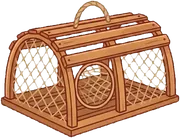


Lob a brief into a trap and walk away. Each job runs in its own git worktree, on Claude Code or Codex. Set one trap or set ten.
A trap doesn't fish faster for being watched, and an agent doesn't code faster either. A daemon does the watching, with no model in the loop.
You step in only when a catch is ready. The trap comes up with a pull request, the evidence, and a report.
Set your traps and go do something else. lobstah runs your coding agents in the background and tells you when one has a catch, or a question.
Install lobstah from npm, set it up for my repos, install its daemon, and add its plugin. Then take the helm as /lobstah:manInstall lobstah from npm, set it up for my repos, install its daemon, and add its plugin. Then take the helm as $lobstah:manInstall lobstah from npm, set it up for my repos, install its daemon, and install its OpenClaw plugin from npm: lobstah-openclaw-plugin.npm i -g lobstah
lobstah init --scan ~/src
lobstah daemon installPaste it into Claude Code.
Paste it into Codex. Trusting its hooks is yours to do, in /hooks.
Paste it into OpenClaw, on the gateway host.
Then add the plugin for your harness: Claude Code, Codex.
Open source, MIT · macOS, Linux, Windows · GitHub
A daemon does the watching, with no model in the loop.
Driven
One Claude Code or Codex session takes the helm. You talk to it; it sends out the work and brings you the catch.
The spyglass is its companion: a page where you act on decisions, read reports and see the status of the fleet.
Autonomous
No session open. Lob in a brief, or let your tracker do it.
lobstah pings you when a worker needs you, through hooks you configure.
Both run on the same daemon. Start with the router and add a helm when you like.
Claude Code
Codex
A trap can be a CLI session or a desktop app session, on Claude Code or Codex. Any session you already have open can opt in as a trap, and then the helm directs it.
lobstah watch stands watch on a CI run, or anything with a command line.
/lobstah for your fleet's agents.
One paste, then go do something else.
Install lobstah from npm, set it up for my repos, install its daemon, and add its plugin. Then take the helm as /lobstah:manInstall lobstah from npm, set it up for my repos, install its daemon, and add its plugin. Then take the helm as $lobstah:manInstall lobstah from npm, set it up for my repos, install its daemon, and install its OpenClaw plugin from npm: lobstah-openclaw-plugin.npm i -g lobstah
lobstah init --scan ~/src
lobstah daemon installPaste it into Claude Code.
Paste it into Codex. Trusting its hooks is yours to do, in /hooks.
Paste it into OpenClaw, on the gateway host.
Then add the plugin for your harness: Claude Code, Codex.